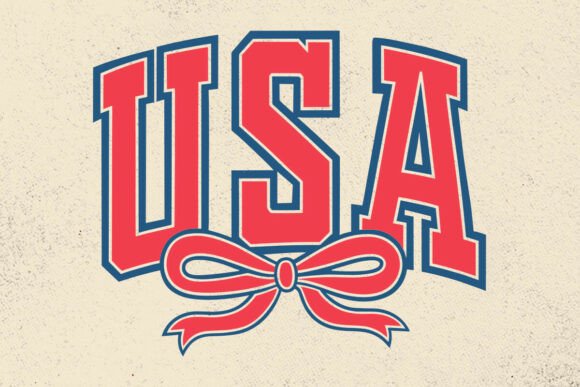
Retro USA Coquette Design 4th of July
When I look at a digital embroidery file before committing it to the hoop, I am not just looking at shapes; I am looking at stitch paths, density potential, and overall market viability. As a designer who frequently tests assets for both personal craft projects and small business merchandise, I approach the Retro USA Coquette Design 4th of July with a critical eye. This is not merely a patriotic graphic; it is a fusion of two distinct aesthetic movements—the nostalgic Americana vibe and the playful, feminine "coquette" trend that has dominated social media and boutique branding recently. Evaluating this as a practical tool for an embroidery project requires understanding how these contrasting elements translate from screen to fabric.
First Impressions and Visual Personality
The moment you open the file, the design communicates a specific mood. It avoids the heavy-handed aggression often associated with traditional Fourth of July graphics. Instead, it leans into softness, nostalgia, and whimsy. For an embroiderer, this is significant because it dictates the thread choice and fabric selection immediately. The layout suggests a balance between bold statement pieces and delicate detailing. If you are planning to use this for custom apparel or handmade gifts, the visual personality here works exceptionally well for brands that want to appear approachable, trendy, and high-quality.
The theme naturally bridges the gap between holiday-specific items and evergreen vintage-inspired decor. This means the asset retains value beyond July 4th if used correctly. When reviewing such a machine embroidery design, I always ask: does it feel dated? Does it feel generic? In this case, the retro styling gives it character, while the coquette elements add a layer of modern relevance. It feels like a design that belongs in a curated boutique shop rather than a mass-produced discount bin.
Real-World Application: From Screen to Stitch
To truly understand the utility of this embroidery file, we need to look at where it performs best in a real-world scenario. Imagine preparing inventory for a summer craft fair or updating your Etsy listings. You are sketching out ideas for a tote bag design that captures the spirit of Independence Day without being overly loud. This design fits perfectly on a canvas tote, especially when paired with neutral-colored threads to let the shape speak for itself.
However, its versatility extends far beyond bags. Consider the potential for sweatshirt embroidery. A cropped hoodie or a vintage-wash crewneck featuring this design can become a standout piece for young adults or teens. The coquette aesthetic pairs beautifully with the relaxed fit of casual wear. Furthermore, for those creating personalized gifts, this design translates well to baby clothes or nursery decor. A soft onesie or a muslin blanket embroidered with this motif offers a gentle, festive touch that parents appreciate. It also serves as an excellent base for an embroidered patch that can be ironed onto denim jackets or backpacks, adding a customizable flair to everyday items.
For the Etsy seller or small shop product creator, the appeal lies in its giftability. Holiday gifts, wedding favors for summer weddings, and even bridal party gifts can all incorporate this theme. The design’s charm encourages buyers to see the finished product as a keepsake rather than a disposable seasonal item. This perception directly impacts customer trust and brand consistency, positioning your handmade products as thoughtful and aesthetically pleasing.
Technical Performance and Fabric Considerations
While the visual appeal is strong, the technical execution determines whether the final result looks professional or amateur. When evaluating this for commercial embroidery or high-stakes client projects, one must consider the stitch types involved. Designs with intricate details often rely on a mix of satin stitch for outlines and fill stitch for body coverage. If the design includes tiny decorative accents or detailed lettering, you must ensure your machine can handle the precision required.
Fabric texture plays a crucial role here. On smooth cotton or polyester blends, the design will likely render cleanly. However, on highly textured fabrics like heavy wool or loose-weave linen, fine details may get lost or distort. Similarly, stretchy fabrics require careful hooping and stabilizer support to prevent puckering. If you are working with dark fabric, the contrast of your thread colors becomes paramount. I recommend testing the design in a black-and-white mockup first to evaluate the negative space and overall silhouette before cutting expensive material.
Where Caution Is Required
There are specific scenarios where this design might present challenges. Small hoop sizes can sometimes crop intricate corners or compress fine lines, leading to a muddy appearance. If you are aiming for a dense, full-coverage look on a small area, be mindful of the stitch density. Overly dense areas can make the fabric stiff and uncomfortable, particularly on garments like t-shirts or baby clothes. Additionally, curved surfaces like caps or hats require precise digitizing to follow the contour. If the original file is flat, adapting it to a curved surface may require manual adjustments or specialized hoops to maintain the design’s integrity.
Practical Designer Notes for Success
Before integrating this digital embroidery file into your production workflow, follow these practical steps to ensure quality:
- Test on Scrap Fabric: Always run a test stitch-out on the exact fabric type you plan to use. This reveals issues with tension, thread breakage, or fabric distortion early.
- Check Thread Contrast: Ensure the chosen thread colors provide enough contrast against the background fabric. Low contrast can make the design look washed out.
- Review Stabilizer Needs: Depending on the fabric weight and design density, you may need cut-away or tear-away stabilizers. Using the wrong type can lead to poor registration or damage to the garment.
- Inspect Small Details: Zoom in on the digital preview to identify any overly thin lines or isolated stitches that might be difficult to embroider reliably.
- Confirm Licensing: If you intend to sell finished products, verify the license terms. Some files are for personal use only, while others allow commercial sales. Understanding these restrictions protects your business from legal issues.
By treating this review as a pre-production checklist, you transform a simple graphic download into a strategic business asset. The Retro USA Coquette Design 4th of July offers a unique blend of nostalgia and modern trendiness that can elevate your craft business offerings. Whether you are creating a single personalized gift for a friend or stocking shelves with design assets for the holiday season, this design provides a solid foundation for creative expression. Just remember that successful embroidery relies as much on preparation and technique as it does on the design itself. Take the time to test, adjust, and refine, and you will find that this piece integrates seamlessly into your portfolio of embroidery projects.