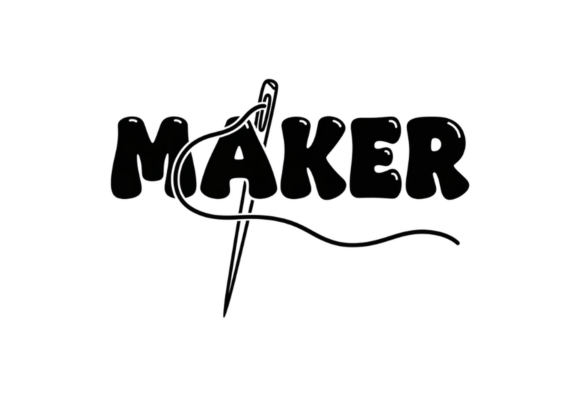
Retro Maker Embroidery Design Review
When I pull a new digital asset into my design workflow, I am rarely looking for just another pretty picture. As a designer who spends hours evaluating files for both personal studio projects and client merchandise, I look for structure, clarity, and commercial viability. That is exactly what I did when I first opened Retro Maker Retro Style Design. It arrived as a silhouette cut file in SVG and EPS formats, but my eyes immediately went to how it would translate onto fabric. In the world of machine embroidery, a clean vector is only half the battle; the other half is whether that shape holds up under the tension of a needle and thread.
First Impressions: Mood and Visual Personality
The immediate vibe of this design is nostalgic yet functional. The "Retro Maker" aesthetic taps into a specific cultural moment—the DIY revival, the vinyl record culture, and the analog charm of the mid-20th century. Visually, the silhouette feels bold and uncluttered. This is crucial because embroidery relies on negative space as much as positive space. A design that is too busy often turns into a muddy mess of stitches, especially when using standard polyester threads.
What stands out here is the graphic quality. Because it originates as a silhouette, it has strong outer edges. This suggests that when digitized or stitched, the design will have a crisp outline. Whether you are planning an applique project or a dense fill stitch pattern, the foundation is solid. It doesn’t scream for attention with chaotic details; instead, it commands respect through its shape. For a craft business owner, this is a relief. It means the design will read clearly from a distance, which is essential for items like tote bags, sweatshirts, and caps where the logo or artwork needs to be instantly recognizable.
Real-World Application: From Screen to Stitch
I decided to test the potential of Retro Maker Retro Style Design by imagining it on a few specific products. My first scenario was a custom embroidered patch for a denim jacket. Silhouettes work exceptionally well for patches because they allow for thick satin stitching around the border without losing definition. If I were to use this for a boutique clothing line, I would likely pair a dark background fabric with bright, contrasting thread colors—perhaps a mustard yellow or teal against black denim—to make that retro pop.
Another practical application I considered was a kitchen towel or tea towel. These items are staples in handmade gift shops and Etsy listings. The retro theme fits perfectly with home decor trends right now. However, fabric texture plays a huge role here. A flour-sack towel has a loose weave, so if the design includes tiny running stitch details, they might distort. But since this is a silhouette-based graphic, it likely relies more on fill stitches or large satin borders. This makes it forgiving on textured fabrics. The design’s simplicity ensures that even after twenty washes, the image remains sharp rather than fraying into illegibility.
I also visualized this on baby clothes. There is a growing market for gender-neutral, vintage-inspired nursery decor and apparel. Retro Maker Retro Style Design has a playful enough energy to work on a onesie or a burp cloth. The key here is scale. On a small garment, the silhouette must be large enough to be seen but not so large that it overwhelms the child. This design’s balanced proportions suggest it would sit nicely on the chest area of a toddler’s shirt, offering a touch of personality without being distracting.
Technical Considerations and Fabric Challenges
No design is perfect for every surface, and honest review requires pointing out where caution is needed. When working with stretchy fabrics like jersey knits for t-shirts or hoodies, stabilizer choice becomes paramount. A heavy fill stitch can cause puckering if the stabilizer isn’t removed properly or if the fabric isn’t hooped tightly. With a silhouette design, the density of the fill can vary. If the digitization includes large areas of solid color, you must ensure your machine’s tension is adjusted to prevent thread breaks.
Dark fabrics present another variable. While contrast is good, very dark backgrounds can sometimes swallow up lighter thread colors, especially in shadowed areas of a design. If you plan to use this for holiday embroidery or winter wear, I recommend testing thread combinations on scrap fabric first. You might find that a metallic thread works better for accents than a standard matte polyester, adding a layer of luxury to the finished product.
Curved surfaces, such as baseball caps or beanies, require careful planning. A flat silhouette might warp if the curvature of the hat isn’t accounted for during digitizing. If you are selling these as part of a craft fair booth, the three-dimensional distortion can be noticeable. Always check the design’s behavior on curved hoops before committing to a full production run. Additionally, if the design includes any tiny lettering or fine decorative accents, be wary of using it on thin fabrics where the backing might show through, creating an unwanted stiff patch on the reverse side.
Impact on Brand and Customer Trust
In the competitive landscape of online marketplaces, presentation is everything. A high-quality embroidery file directly influences customer trust. When a buyer receives a personalized gift or a custom apparel item, the first thing they notice is the cleanliness of the stitching. Blurry lines or loose threads signal low effort. Retro Maker Retro Style Design, with its clean vector origins, supports professional results. It allows the maker to focus on finishing touches rather than fixing digitizing errors.
This reliability helps build brand consistency. If you are an Etsy seller or a small shop owner, having a library of designs that perform predictably allows you to streamline your workflow. You can confidently promise fast turnaround times because you know how the design behaves. Furthermore, the retro theme itself adds value. It appeals to buyers who appreciate nostalgia and craftsmanship, making the finished product feel more like a curated artifact than mass-produced merchandise. This emotional connection drives repeat business and positive reviews.
Practical Designer Notes for Implementation
To get the best results from this machine embroidery design, follow these practical steps:
- Test on Scrap Fabric: Never assume a design will stitch perfectly on your final material. Use scraps of the same fabric type to check for puckering, thread breakage, and color accuracy.
- Review Stitch Density: Check the digitized file for dense areas. If the fill is too tight, consider adjusting the stitch length or switching to a different thread weight to reduce bulk.
- Confirm Hoop Size: Ensure the design dimensions fit comfortably within your machine’s hoop size, leaving enough margin for proper stabilization.
- Inspect Small Details: Zoom in on the SVG or EPS file to identify any tiny elements that might disappear when stitched. If necessary, simplify the design to enhance readability.
- Use Proper Stabilizer: Match your stabilizer to your fabric weight. Heavy-duty cut-away stabilizers are often best for garments, while tear-away may suffice for stable home decor items like pillow covers.
- Check Licensing: Before selling finished items or digital previews, verify the license terms included with the download. Commercial rights are essential for craft businesses.
- Mockup in Black and White: Convert the design to grayscale to evaluate contrast and balance without the distraction of color.
Ultimately, Retro Maker Retro Style Design offers a versatile foundation for creative entrepreneurs. Its clean lines and nostalgic appeal make it suitable for a wide range of applications, from custom apparel to embroidered patches. By approaching the digitization process with care and attention to detail, you can transform this digital asset into a tangible, high-value handmade product that resonates with customers. Whether you are updating your Etsy listings or creating unique gifts, this design provides the structural integrity needed for professional results.