Retro Gigi Coquette Cow Print Design Review
When I sit down to evaluate a new digital asset for my embroidery studio, I am rarely looking at just a pretty picture. I am looking at viability. I am thinking about stitch density, fabric interaction, and whether this design will hold up on a customer’s chest after ten washes. Today, I am putting the Retro Gigi Coquette Cow Print Design through that same rigorous mental gauntlet. This listing falls squarely into the Crafts and Graphics categories, marketed heavily toward the "Grandma Shirt" and Mother’s Day niches with a specific sublimation and SVG focus. But for those of us working in machine embroidery, the question is simple: does it translate well from screen to thread?
The First Impression: Mood and Aesthetic
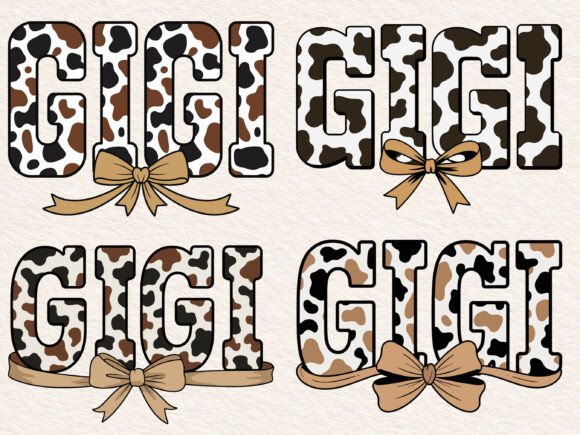
The name alone tells you a lot about the intended vibe. "Retro Gigi Coquette" suggests a blend of vintage nostalgia with modern, playful femininity. The cow print element adds a layer of irony and fun, moving away from traditional floral or script-based embroidery designs. When I first looked at the visual personality of this embroidery file, I noted the immediate contrast between the rustic theme of a cow and the delicate, "coquette" styling. It creates a mood that is approachable, slightly whimsical, and highly shareable on social media.
This is not a serious, corporate logo. It is a statement piece. For an Etsy seller or a small shop product creator, this distinction is vital. Customers buying this are likely looking for something that sparks conversation. They want a personalized gift that feels unique rather than generic. The design appeals to makers who understand that humor and sentimentality often drive sales in the handmade apparel space. It feels like a design that belongs on a soft cotton sweatshirt or a sturdy canvas tote, where the texture of the fabric can complement the retro aesthetic.
Real-World Application: Where This Design Shines
In my experience, the success of an embroidery project often depends on the substrate. I imagine the Retro Gigi Coquette Cow Print Design performing exceptionally well on medium-weight fabrics. Let’s look at a few scenarios:
- Sweatshirt Embroidery: This is perhaps the strongest use case. The "Grandma Shirt" trend relies heavily on comfortable, oversized knits. The slight stretch of a sweatshirt jersey allows the fill stitch areas to settle naturally without pucker, provided the correct stabilizer is used. The retro theme pairs perfectly with heather grey or cream-colored fleece.
- Tote Bag Design: Canvas is forgiving. If your digitizing includes some running stitch details for outlines, they will stand out beautifully against the rough texture of the bag. This makes for a great handmade product for craft fairs or boutique branding.
- Baby Embroidery: While cow prints are classic for nurseries, the "coquette" aspect might skew slightly older. However, if adapted for a baby onesie or burp cloth, the cute factor remains high. Just be mindful of the placement; smaller hoop sizes require careful review of the detail level.
- Apron and Kitchen Towel: For the home baker or the hostess gift market, this design adds a touch of personality. A linen apron embroidered with this motif feels both functional and stylish. It elevates a basic utility item into a giftability powerhouse.
For the digital product seller, offering this as a printable mockup alongside the actual files is smart. Buyers want to see how the thread colors pop against different backgrounds before they commit to stitching. It helps bridge the gap between the digital preview and the physical reality.
Technical Considerations and Potential Pitfalls
No design is perfect, and every embroiderer knows that what looks good on a monitor can behave differently under the needle. Here is where I would exercise caution when using the Retro Gigi Coquette Cow Print Design.
First, consider the stitch density. If the design relies heavily on dense fills to create the cow spots or the textural elements of the coquette bow, you risk stiffening the fabric too much. On thin fabrics or stretchy materials like rayon blends, this can lead to visible distortion. Always test on scrap fabric first. I recommend inspecting small details closely; if there are tiny lettering elements or intricate decorative accents, ensure they are large enough to be stitched cleanly. Tiny satin stitches can merge together if the resolution isn't high enough or if the thread tension is off.
Fabric color is another critical factor. Since this is marketed as a sublimation PNG/SVG as well, it may have been optimized for full-color printing. In embroidery, we rely on contrast. If you are stitching this onto dark fabric, you will need a substantial underlay or a light-colored base layer to make the design visible. Conversely, on white fabric, ensure the black or dark threads used for the cow print provide enough punch. I always advise checking designs in black and white mockups to verify legibility before investing time in hooping and stitching.
Curved surfaces, such as caps or hats, present their own challenges. The layout of the design must accommodate the curve of the crown. If the design is wide, it might wrap awkwardly. Additionally, layered garments or items that undergo frequent washing need robust construction. A loose stabilizer choice here could result in the design unraveling or distorting over time, which directly impacts customer trust and brand consistency.
Designer Notes for Success
To get the most out of this commercial embroidery asset, keep these practical tips in mind:
- Confirm Licensing: Before selling finished items, double-check the terms. Are you allowed to sell the physical goods? Is there a limit on units? This protects your craft business from legal issues.
- Thread Selection: Don’t just stick to the default colors. Experiment with metallic threads for the coquette elements or variegated threads for the cow print to add depth. The right thread colors can elevate a standard design into a premium finished product.
- Hoop Size Check: Ensure the design fits your available hoop size. If it is borderline, you may need to resize it, but remember that resizing can alter stitch length and density, potentially affecting quality.
- Stabilizer Match: Use a cut-away stabilizer for knitwear like sweatshirts to prevent stretching over time. For woven fabrics like tote bags, a tear-away might suffice, but a wash-away offers the cleanest finish.
Final Verdict
The Retro Gigi Coquette Cow Print Design is a strong contender for makers looking to tap into the trendy, humorous, and sentimental segments of the handmade market. It has the visual appeal to stop scrollers in their tracks and the thematic flexibility to work across multiple product types, from custom apparel to holiday embroidery gifts.
It is not a one-size-fits-all solution, however. It requires thoughtful execution regarding fabric choice, stabilizer usage, and thread selection. For the experienced designer, these are manageable hurdles. For the hobbyist, they are learning opportunities that will improve your overall skill set. Ultimately, this design offers a fresh take on a classic pattern, wrapped in a nostalgic aesthetic that resonates with today’s buyers. If you are ready to invest the time in proper testing and finishing, this design assets package can definitely help you create best-selling items for your shop.