Retro Racing Badge Clipart Set Review
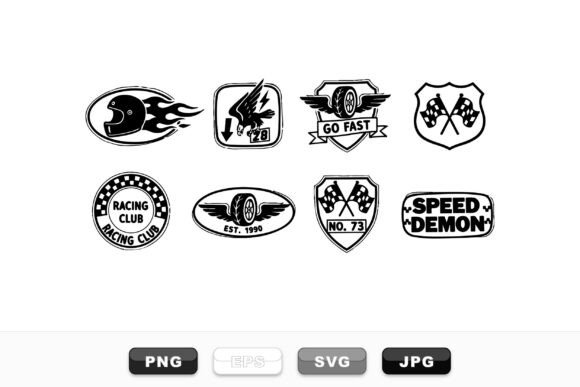
As a designer who spends half my life staring at stitch density charts and the other half worrying about how a design will hold up after five wash cycles, I don’t just look at a file; I look at the finished product. When I first pulled down the Retro Racing Badge Clipart Set, my immediate thought wasn’t about the file size or the vector nodes. It was about the vibe. This set screams classic motorsport nostalgia. With its black and white vintage style racing badges featuring helmets, wings, tires, checkered flags, and speed demon lettering, it feels like something you’d find on a 1960s gas station wall or the back of a leather jacket.
For those of us in the Crafts and Graphics space, finding a design that balances aesthetic appeal with technical viability is rare. Most clipart sets are either too detailed for machine embroidery or too simple to command a premium price on Etsy. The Retro Racing Badge Clipart Set sits in that sweet spot. It has enough visual personality to stand alone but enough structure to be integrated into larger compositions. Whether you are an Etsy seller looking for your next bestseller or a small shop owner wanting to add a touch of grit to your boutique branding, this design asset deserves a closer look.
The First Impression: Mood and Visual Personality
The moment you open the files, the mood is established. These aren’t generic sports icons; they have a specific retro flavor. The inclusion of speed demon lettering alongside traditional racing symbols creates a dynamic tension. It’s energetic without being chaotic. For an embroidery project, this translates to a design that catches the eye immediately. On a handmade product, this kind of strong graphic identity helps build brand consistency. Customers scan quickly; a bold, well-defined badge stops the scroll.
I found myself thinking about how these shapes would translate to different mediums. The thick outlines and solid fills typical of this style are forgiving for digitizing. They allow for clean edges even if the stitching isn’t perfect. However, the "vintage" aspect means we need to be careful with the smaller details. The checkered flags and intricate parts of the helmets need to be large enough to be readable when stitched. If the final embroidered patch is too small, those details can turn into a muddy blob, which kills the professional feel of the finished product.
Real-World Application: From Screen to Stitch
Let’s talk about real use cases. I recently had a client request custom gear for a local vintage car club. They wanted something that felt authentic, not modern and sleek. I mocked up the Retro Racing Badge Clipart Set on a heavyweight cotton canvas tote bag design. The contrast of the black thread against the natural canvas made the white spaces pop. It looked incredibly sharp. The wings and tire motifs framed the central text beautifully, creating a cohesive unit that felt expensive.
But it’s not just for bags. I also tested this concept mentally on a sweatshirt embroidery project. Placing a single, centered badge on the chest of a crewneck sweatshirt is a timeless look. The classic motorsport branding appeals to a broad demographic, from gearheads to fashion-forward individuals who just love the aesthetic. For a personalized gift, adding a name or a date within the badge’s negative space (if the digitizing allows) could elevate it from a standard merchandise item to a cherished keepsake.
I also considered apron applications. A racing-themed apron is a fantastic niche for a craft business. Imagine a kitchen towel or apron with the checkered flag motif bordering the hem. It adds a playful touch to cooking. Or perhaps a pillow cover for a man cave or a nursery with a racing theme. The versatility here is high because the design is monochromatic. You can swap out the thread colors to match any color scheme, making it adaptable for holiday embroidery or seasonal decor.
Technical Considerations and Potential Pitfalls
While the aesthetic is strong, no designer should skip the technical checks. The Retro Racing Badge Clipart Set contains elements that require thoughtful execution. Here is where you need to be careful:
- Hoop Size and Scale: Do not attempt to stitch this design in a tiny hoop. The stitch density needs room to breathe. If the design is scaled down too much, the satin stitch edges may pucker, and the fine details will disappear. Always confirm the recommended hoop size before starting production.
- Fabric Texture: This design looks best on stable, woven fabrics like cotton, denim, or twill. Avoid highly textured fabrics like heavy bouclé or loose-weave linen unless you are using a stabilizer correctly. The fabric texture can interfere with the crisp lines of the running stitch and fill stitch areas.
- Dark vs. Light Fabrics: Since the source is black and white, you have flexibility. However, on dark fabric, you will need to use a cut-away stabilizer and potentially a backing layer to prevent show-through. On light fabric, the negative space becomes part of the design, so ensure your digitizer has accounted for the fabric color in the placement.
- Curved Surfaces: If you plan to put this on a cap or hat, remember that flat designs can distort on curved surfaces. You may need to adjust the curvature of the design during digitizing to ensure the wings and lettering sit naturally on the crown of the cap.
Designer’s Notes for Maximum Impact
To get the most out of this digital embroidery file, I recommend a few practical steps before committing to your final piece. First, always test the design on scrap fabric. This is non-negotiable. Check the thread color contrast—does the black thread stand out enough against your chosen material? Second, inspect the small details. Zoom in on the helmet visor or the tire treads. Are they clear? If they are too thin, consider simplifying them or increasing the scale.
Another pro tip: compare light and dark fabric backgrounds side-by-side. Sometimes a design that looks great on white paper looks dull on cream-colored cotton. Use proper stabilizer appropriate for your fabric weight. For stretchy knits, a tear-away might suffice for small patches, but for a large embroidered patch on a jersey, a cut-away is safer to prevent distortion over time.
Finally, think about the end user. If you are selling this as a small shop product, presentation matters. Show the design on a mockup that reflects the actual product quality. A blurry image of a custom apparel item can make a good design look cheap. High-quality photos help convey the value of the craftsmanship.
Final Verdict
The Retro Racing Badge Clipart Set is a robust addition to any designer’s library. It offers a strong visual narrative that resonates with fans of vintage culture and motorsports. Its black and white palette makes it versatile for various commercial embroidery projects, from baby embroidery onesies to rugged workwear accents. By paying attention to scale, fabric choice, and stabilization, you can transform these digital assets into high-quality physical goods that customers will love.
It is important to note that while the design files (SVG, EPS) are provided, you must verify the specific licensing terms before using them for commercial purposes. Ensure you understand what constitutes a finished product versus a printable mockup in your jurisdiction. With proper preparation, this set can help you create standout items that blend nostalgia with modern craftsmanship. Whether you are a seasoned pro or a hobbyist maker, this design is worth the investment of your time and thread.