Retro Badge Clipart Collection Review
When I sit down to evaluate a new asset for my embroidery workflow, I am rarely looking for something that simply "looks nice" on a screen. My eyes immediately shift to how it will translate into thread, how the negative space will behave under tension, and whether the final stitched result will hold up after a few washes. That is exactly why I decided to put Retro Badge Clipart Collection through its paces before recommending it for any client project or handmade product line.
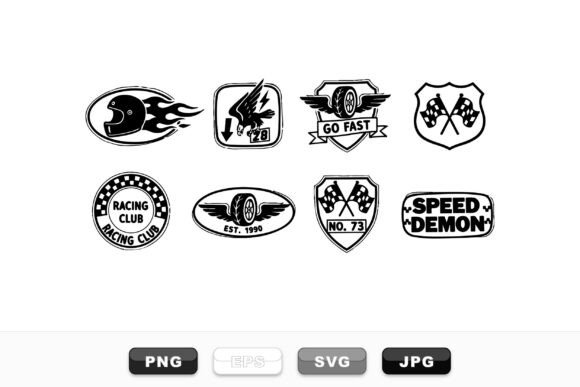
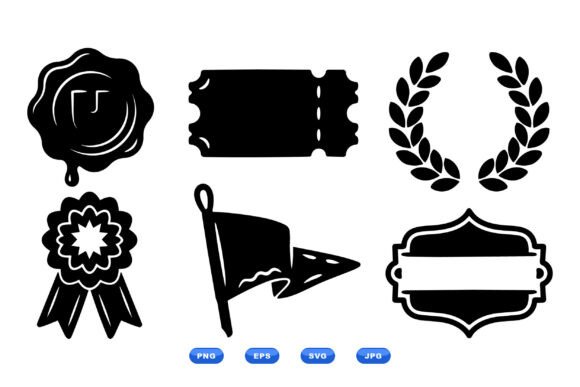
This collection arrives as an instant download of flat design vector graphics featuring black award badges, labels, tickets, and pennants. The aesthetic is bold, minimal, and silhouette-driven. For an embroidery designer, this specific visual personality is a double-edged sword: it offers incredible clarity but demands precise execution to avoid looking muddy or overly dense. After testing these shapes against various fabric types and hoop configurations, here is my honest assessment of how this design asset performs in real-world crafting scenarios.
The Visual Appeal and Mood
The first thing that strikes you about Retro Badge Clipart Collection is its confident simplicity. In a market saturated with intricate floral patterns and complex character designs, there is a refreshing reliability in a bold, black silhouette. These shapes evoke a sense of vintage authority mixed with modern minimalism. They feel like they belong on a premium craft beer label, a boutique coffee shop apron, or a high-end baby onesie that wants to make a statement without screaming for attention.
For small business owners and Etsy sellers, this mood is highly marketable. It suggests quality and intentionality. When a customer sees a clean, well-defined badge embroidered on a tote bag, their brain registers "professional brand" rather than "amateur hobbyist." This collection naturally lends itself to branding projects where consistency and recognition are key. The lack of internal clutter means the design reads clearly from a distance, which is crucial for items like sweatshirts, caps, and large patches.
Real-World Application: From Screen to Stitch
I recently used a similar silhouette approach for a custom order involving personalized gift sets for a local wedding. The couple wanted a cohesive theme across their bridal party gifts, including tea towels and pillow covers. While Retro Badge Clipart Collection is a vector graphic and not a native machine embroidery file, the structural integrity of these shapes makes them ideal candidates for conversion into an applique design or a heavy satin stitch outline.
Imagine taking one of these ticket or pennant shapes and converting it into a custom apparel piece. Because the original design is flat and graphic, it translates beautifully into a two-tone look. You might use a contrasting thread colors palette to create a sharp border around the badge, filling the interior with a solid color or leaving it as raw fabric if using applique techniques. This approach reduces the total stitch density, making the finished product lighter and more comfortable to wear, especially on delicate fabrics.
For those selling digital products, these vectors are also excellent for creating printable mockups. Before you invest time digitizing a design for your own shop, you can place these badges onto digital templates of hats, mugs, and shirts to see how they resonate with potential buyers. This step saves hours of trial and error and helps you validate which shapes have the highest commercial appeal.
Technical Considerations and Fabric Choices
While the visual strength of Retro Badge Clipart Collection is undeniable, there are practical limitations every embroiderer must respect. The bold, minimal style relies heavily on clear definition. If you attempt to stitch these shapes at a very small hoop size, you risk losing the impact entirely. Tiny details get lost in the fabric weave, and thick stitches can merge into an indistinguishable blob.
I strongly advise against using these designs on stretchy knits unless you are using a substantial stabilizer. The tension required to keep a flat silhouette taut can cause puckering on thin jersey or rayon blends. Instead, reserve these graphics for stable cottons, denim, canvas, and linen. These fabrics provide the necessary foundation for the design to lay flat and maintain its crisp edges.
Another critical factor is contrast. Since the source material is black silhouettes, it assumes a light background. If you plan to embroider these on dark fabric, you will need to add a backing layer or use white thread for a heavy outline to ensure the shape pops. Without this contrast management, the design can disappear into the fabric, leading to a low-quality finished product that disappoints customers.
Where to Use Carefully
- Small Hoop Sizes: Avoid stitching these below 2x2 inches unless the design is simplified. Complex corners may not render well at tiny scales.
- Textured Fabrics: Heavily textured materials like boucle or thick fleece can obscure the clean lines of the badge, ruining the minimalist aesthetic.
- Curved Surfaces: While caps are popular, applying a rigid badge shape to a curved brim can be challenging. Test thoroughly to ensure the design doesn't distort when stretched over the form.
- Dense Stitch Areas: If you convert the entire silhouette into fill stitch, the resulting patch may become stiff and uncomfortable. Consider using running stitch borders or applique to reduce bulk.
Designer’s Checklist for Success
To get the most out of Retro Badge Clipart Collection, follow these practical steps before committing to a full production run:
- Test on Scrap Fabric: Always stitch a test version on the exact fabric you plan to use. This reveals issues with tension, thread balance, and fabric stability early.
- Check Thread Contrast: Ensure your chosen threads provide enough contrast against the fabric. Black thread on dark navy may vanish; white thread on light gray may look washed out.
- Review Stitch Density: If digitizing yourself, keep the stitch density moderate. Too many stitches per square inch will make the item stiff and prone to tearing.
- Inspect Small Details: Zoom in on the original vector. Are there tiny elements that might break during the cutting process (for applique) or stitch out poorly? Simplify if necessary.
- Confirm Licensing: Before selling any commercial embroidery items or digital assets derived from this collection, verify the license terms. Some instant downloads allow personal use only, while others permit commercial sales of physical goods.
Final Verdict
Retro Badge Clipart Collection is a versatile, high-impact asset for any crafter or designer looking to add a touch of vintage charm to their work. Its strength lies in its clarity and adaptability. Whether you are creating a handmade product for a craft fair, designing a small shop product for your online store, or working on a personalized gift for a friend, these shapes offer a reliable foundation for success.
By respecting the technical constraints of embroidery—such as fabric choice, hoop size, and stitch density—you can transform these simple vectors into professional-grade embroidered pieces. The result is a craft business inventory that looks polished, sells well, and stands up to the test of time. For anyone in the graphics and crafts community seeking efficient, stylish design assets, this collection is a worthy addition to your toolkit.