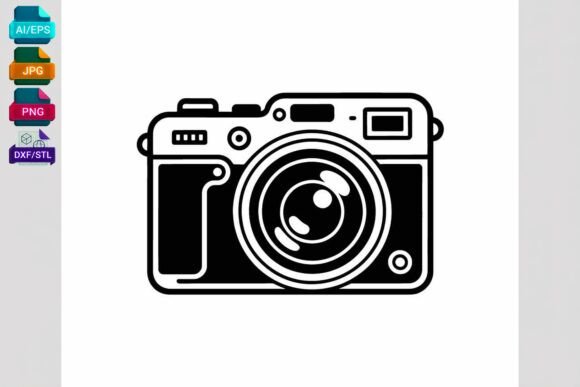
Retro Camera Icon Vector Graphic Review
As a designer who spends half my day staring at stitch charts and the other half worrying about thread tension, I approach every new digital asset with a healthy dose of skepticism. We have all seen those cute little icons that look perfect on a screen but turn into a muddy, unrecognizable blob once they hit the hoop. That is why I took Retro Camera Icon Vector Graphic for a spin before recommending it to my network of crafters and small business owners. This isn’t just about whether the file opens correctly; it is about whether the design translates into a finished product that customers will actually want to wear or display.
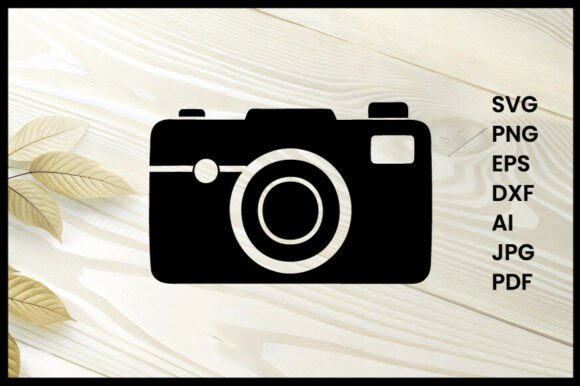
The immediate first impression of this graphic is one of nostalgic charm. In a market saturated with minimalist line art and overly complex mandalas, a retro camera motif stands out because it tells a story. It evokes the tactile joy of photography, the click of a shutter, and the warmth of analog memories. For embroidery designers, visual personality is everything. A design needs to communicate its theme instantly. The shape of the camera is distinct enough to be recognizable even when simplified, which is crucial for machine embroidery where fine details can get lost in the fabric weave. The layout feels balanced, suggesting that this icon would work beautifully as a standalone focal point rather than needing heavy support from surrounding text or borders.
Real-World Application: From Screen to Stitch
I like to test designs by imagining them on specific products. If I were preparing a custom order for a boutique client, where does Retro Camera Icon Vector Graphic fit best? My first thought was a canvas tote bag. There is something inherently "maker" about carrying a bag that celebrates creativity. Stitching this icon in the center of a natural cotton canvas or a sturdy denim tote creates an instant statement piece. The clean lines of the camera body contrast nicely with the rougher texture of canvas, allowing the satin stitches to pop without getting swallowed by the material.
Another strong contender is a sweatshirt or a heavyweight hoodie. Embroidery adds weight and texture to knit fabrics, giving them a premium feel. Placing a retro camera icon over the heart area or centered on the back of a heather grey sweatshirt gives off a cool, vintage aesthetic that appeals to creative professionals and hobbyists alike. It transforms a basic garment into a personalized gift. Similarly, for baby items, this design could be adapted for a muslin blanket or a soft bodysuit. While cameras might seem like a niche interest for infants, parents often buy gifts that reflect their own hobbies. A subtle, embroidered camera on a nursery pillow cover or a kitchen tea towel connects the maker’s passion with everyday utility.
For Etsy sellers and craft fair vendors, versatility is key. This graphic works well as an embroidered patch. Patches are huge right now, used to decorate backpacks, jeans, and hats. Because the camera icon is self-contained, it likely digitizes well as a separate element that can be applied to various substrates. However, you must consider the background fabric. On a dark navy cap, a white or cream thread outline will define the shape sharply. On a light beige apron, you might need to use a contrasting thread color, perhaps a deep burgundy or teal, to ensure the details remain visible after washing.
Where Caution Is Required
No design is flawless, and knowing where a design struggles is just as important as knowing where it shines. With Retro Camera Icon Vector Graphic, I would advise caution when working with small hoop sizes. If the design includes tiny elements like lens rings, viewfinder buttons, or brand logos, these details may become indistinguishable if scaled down too far. Machine embroidery relies on negative space and stitch length to create definition. When you shrink a design, you also shrink the ability of the needle to penetrate the fabric cleanly. Tiny gaps between stitches can fill in, causing separate parts of the camera to merge into a single shape.
Textured fabrics present another challenge. Bouclé wool, thick chenille, or heavily distressed denim can hide the precision of your stitching. If the pile of the fabric is too high, the smooth curves of the camera body may appear jagged or uneven. Thin, stretchy fabrics like jersey or rayon require careful stabilization. Without a proper tear-away or cut-away stabilizer, the hoop tension alone can pucker the fabric around the dense areas of the design, distorting the circular shape of the lens. Always test on scrap fabric first, especially if you are using a fabric type you have not worked with recently.
Curved surfaces, such as baseball caps or beanies, demand precise digitizing to follow the contour of the item. If the underlying vector graphic is flat, the transition from the flat front panel to the curved crown of the hat can cause distortion. Additionally, if you plan to use this for commercial embroidery projects involving frequent washing, you must check the durability of the threads. Synthetic threads hold up better than cotton, but the design itself should avoid excessive density that traps lint and dirt over time.
Design Judgment and Professional Tips
From a visual appeal standpoint, Retro Camera Icon Vector Graphic enhances the perceived value of a handmade product. Customers associate detailed, clean embroidery with quality craftsmanship. When a buyer sees a crisp camera icon, they subconsciously trust that the rest of the product—whether it is a tote bag or a holiday gift—is made with care. This builds brand consistency and professionalism, which are essential for anyone selling on platforms like Etsy or running a small shop.
To ensure the best results, here are some practical notes for embroidery designers:
- Thread Color Contrast: Experiment with different thread palettes. A classic black and white combination offers a timeless look, while metallic threads can add a touch of luxury for special occasion gifts.
- Stitch Density Check: Review the digitized file for stitch density. Ensure that the fill stitch areas are not so dense that the fabric becomes stiff and board-like, nor so sparse that the backing shows through.
- Hoop Size Confirmation: Confirm that the final hoop size fits your intended product dimensions. A design that is too large for a standard 4x4 hoop limits your placement options.
- Black and White Mockups: Convert the design to grayscale to check for balance. If the design looks too heavy on one side in black and white, it will likely look unbalanced in color.
- Licensing Verification: Before selling finished items, double-check the license terms included with the Digital Cut File Bundle. Ensure you have the right to sell physical goods created with this Embroidery File.
In conclusion, Retro Camera Icon Vector Graphic is a versatile and charming addition to any designer’s library. It bridges the gap between nostalgia and modern handmade aesthetics. Whether you are creating a personalized gift for a friend or stocking your online store with trendy Craft Business items, this design offers a reliable foundation for beautiful Embroidery Projects. Just remember to respect the limitations of the medium, test thoroughly, and let the quality of your execution speak for itself.