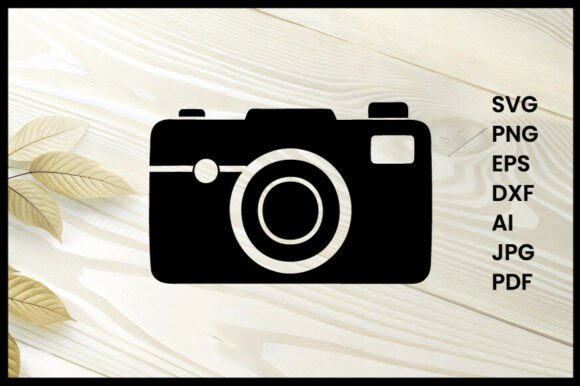
Retro Camera Silhouette Embroidery Review
As a designer who spends half my life digitizing vectors and the other half troubleshooting stitch errors, I approach every new asset with a healthy dose of skepticism. The market is flooded with generic clip art, so finding a Retro Camera Silhouette Illustration that actually translates well into thread is rare. I recently pulled this specific design from the Crafts category under Graphics to see if it held up under the microscope. Would it work for a boutique shop? Could it survive a commercial run? Here is my honest breakdown after testing its potential in real-world scenarios.
The First Impression: Mood and Visual Personality
When you first load the vector, the immediate takeaway is nostalgia. This isn’t just a boxy point-and-shoot; it has a distinct vintage photography vibe that screams "analog soul." For embroidery designers, silhouette designs are often the safest bet because they rely on shape rather than intricate detail. However, not all silhouettes are created equal. This illustration strikes a balance between recognizable iconography and clean negative space.
The visual personality is warm and inviting. It feels like something you’d find in a film photographer’s studio or a cozy coffee shop wall. When I looked at how the shape would read on fabric, I appreciated the solid forms. There are no tiny, fragile lines that might pucker or break during high-speed stitching. The thick, bold outlines suggest that this will hold its structure even on softer fabrics like jersey or fleece. It creates an instant connection with anyone who loves analog media, making it a strong candidate for personalized gifts or niche craft business merchandise.
Real-World Application: From Vector to Finished Product
Let’s talk about where this design actually shines. I imagined placing this on a heavy canvas tote bag design. Because the camera silhouette is so iconic, it doesn’t need much context to be understood. On a neutral beige or black tote, a single-color fill stitch or a simple applique version would look incredibly professional. It elevates the product from "generic tote" to "curated aesthetic."
I also tested the concept mentally on sweatshirt embroidery for a small batch run. A left-chest placement of this retro camera works beautifully as a subtle brand mark or a personal statement piece. It fits the current trend of "dad core" and vintage-inspired streetwear. For aprons, particularly those marketed to home bakers or photographers, this adds a touch of character without overwhelming the garment. It’s versatile enough to be a main feature on a pillow cover but discreet enough to serve as a decorative accent on a kitchen towel.
In the realm of holiday embroidery, this design has surprising utility. While not explicitly seasonal, the idea of capturing memories pairs well with end-of-year gift giving. Imagine a custom embroidered patch on a child’s backpack or a baby embroidery project for a nursery wall hanging. The soft curves of the lens and body make it approachable for younger audiences, bridging the gap between technical equipment and playful decor.
Where to Exercise Caution
No design is perfect, and there are specific situations where this machine embroidery design might struggle. If you are planning to use this on a curved surface like a baseball cap, you need to be careful. The top of the camera (the flash housing or viewfinder area) might distort if the hoop tension isn’t perfectly calibrated. Always test on scrap fabric first to ensure the curvature doesn’t flatten the silhouette too much.
Another area of concern is small hoop sizes. While the design is a silhouette, reducing it below two inches can cause the details to blur together. If you attempt to put this on a pair of socks or a tiny baby hat, the resolution loss will be noticeable. Stick to mediums and large formats where the shape can breathe.
Fabric choice is critical here. Avoid thin, slippery synthetics or highly textured bouclé fabrics. The contrast needed for a silhouette to read clearly can get lost in a busy weave. Similarly, dark fabrics require careful thread selection. A black camera on a navy shirt will disappear. You’ll need a contrasting color, such as cream, gold, or bright white, to maintain visibility. Also, keep in mind that dense fill stitch areas can add weight to lightweight garments, so choose your stabilizer wisely to prevent sagging.
Design Notes for the Professional Digitizer
If you are converting this vector into an embroidery file, pay close attention to the stitch density. Since this is a graphic asset, it likely contains sharp angles and smooth curves. Ensure your digitizing software handles the transitions cleanly to avoid puckering. I recommend using a combination of satin stitch for any borders or outlines and a standard fill stitch for the interior, unless you are going for a pure applique look.
Thread colors matter more than you might think. A monochromatic approach is elegant, but using multiple threads can bring out the different parts of the camera—the lens, the shutter button, the strap loops. Test your thread colors against your actual fabric swatch before committing to a full production run. Digital screens lie; thread reflects light differently. Check the design in black and white mockups to ensure the value contrast is sufficient.
For those selling on Etsy or running a small shop product line, clarity is key. Make sure your printable mockup shows the design in scale. Buyers want to know exactly what they are getting. If you are offering this as a digital embroidery file, provide clear instructions on recommended fabric types and stabilizers. Transparency builds trust and reduces returns due to user error.
Final Verdict on Value and Appeal
Does this design add value to a finished product? Absolutely. It signals thoughtfulness and style. Customers today appreciate handmade items that have a clear aesthetic identity. This retro camera silhouette provides that identity instantly. It works for commercial embroidery projects where consistency is required, and it works for one-off custom apparel pieces where uniqueness is the selling point.
However, remember to confirm licensing before selling finished items. Even though this is listed under graphics, commercial rights vary. If you are a creative entrepreneur, protecting your IP and respecting the original creator’s terms is part of doing business professionally. Assuming the license allows it, this is a low-risk, high-reward addition to your library. It’s simple, timeless, and forgiving—three qualities every embroiderer needs in a go-to design.
In conclusion, the Retro Camera Silhouette Illustration is a strong contender for anyone looking to expand their catalog of nostalgic, lifestyle-oriented goods. Whether you are making gifts for friends or stocking shelves for a craft fair, this design offers a polished look that stands up to scrutiny. Just respect the limits of your machine, choose your fabric wisely, and let the vintage charm do the talking.