Retro Music Instrument Icons Embroidery Review
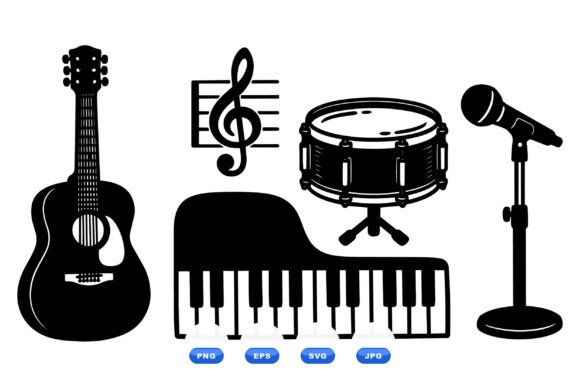
As a designer who spends half the day in Illustrator and the other half troubleshooting stitch errors on my machine, I am always skeptical of vector packs that claim to be "ready for embroidery." There is a massive difference between a clean graphic on a screen and how it translates when thread meets fabric. Today, I am putting Retro Music Instrument Icons through its paces. This flat vector set features classic black silhouette music icons—including a guitar, piano, snare drum, microphone, and treble clef. While the product description markets these for branding and social media, my job is to determine if they hold up as a viable machine embroidery design for real-world projects.
First Impressions: The Aesthetic Appeal
The immediate draw of this pack is its simplicity. In a market saturated with complex, multi-colored pictorial designs, there is a refreshing clarity to these silhouettes. They evoke a mid-century modern vibe, reminiscent of vintage record labels or classic jazz club signage. For an embroidery project, this retro aesthetic works exceptionally well because it relies on strong shapes rather than intricate details that might get lost in stitching.
When I first loaded the files into my digitizing software, I appreciated the clean lines. The black silhouette style suggests that these designs will translate beautifully into solid fill stitches or appliqué. It creates a bold, graphic look that feels intentional rather than accidental. For a craft business looking to create cohesive branding, this visual personality offers a professional yet approachable tone. It doesn’t scream for attention; it quietly asserts a cool, artistic identity.
Real-World Application: From Screen to Stitch
Let’s talk about where this embroidery file actually shines. I recently had a client request custom merchandise for a local music teacher’s retirement party. They wanted something nostalgic but not cluttered. I immediately thought of using these icons. Here is how I envision them performing in specific scenarios:
- Custom Apparel: A single guitar or microphone silhouette stitched in white thread on a charcoal gray sweatshirt creates a striking contrast. It works perfectly as a chest pocket logo or a centered back print. The clean edges ensure that even after multiple washes, the design remains sharp.
- Tote Bag Design: For an Etsy seller creating reusable bags, these icons are ideal. A row of three icons—perhaps the piano, the snare drum, and the treble clef—stitched along the side seam adds a subtle touch of personality without overwhelming the canvas fabric.
- Baby Embroidery: The rounded nature of the snare drum and the soft curves of the guitar make these suitable for nursery decor or baby onesies. However, caution is needed here regarding size, which I will discuss later.
- Embroidered Patch: These silhouettes are perfect candidates for iron-on patches. The distinct outlines allow for a clean satin stitch border, making them durable enough for backpacks or denim jackets.
The versatility of this digital product extends beyond physical goods. As a small shop owner, you can use these graphics to create printable mockups for your listings. Seeing a high-quality digital preview of the embroidery helps customers visualize the final product, increasing trust and conversion rates.
Technical Considerations and Pitfalls
While the aesthetic is strong, no designer can ignore the technical realities of embroidery. Not every vector translates seamlessly into stitches. Here is what you need to watch out for when working with Retro Music Instrument Icons.
Stitch Density and Detail
The description mentions these are flat vectors. If you plan to use them as fill stitches, you must check the stitch density. Solid fills on large areas like the body of a guitar can become stiff and bulky. I recommend testing the design on scrap fabric first to see if the underlay stabilizes the fabric properly. If the design includes tiny details, such as the strings on the guitar or the keys on the piano, be wary. On a small hoop size, these fine lines may merge together, resulting in a muddy appearance. For best results, consider simplifying the design by removing non-essential internal details before stitching.
Fabric and Stabilizer Choices
The success of this embroidery project often depends on what lies beneath the surface. Textured fabrics, like heavy canvas or terry cloth, can distort the clean lines of these silhouettes. I advise using a cut-away stabilizer for stretchy materials like jersey knits to prevent puckering. For woven fabrics like cotton or linen, a tear-away may suffice, but always test for stability.
Another critical factor is thread colors. Since the source material is a black silhouette, it implies a high-contrast look. If you are embroidering on dark fabric, white or metallic threads will pop beautifully. Conversely, black thread on dark fabric will likely disappear unless you use a specialty thread like glitter or foil. Always inspect small details in black-and-white mockups to ensure the contrast holds up before committing to expensive thread stock.
Hoop Size Constraints
One area where this design asset requires careful planning is scale. If you attempt to stitch these icons too small, you risk losing the recognizable shape of the instrument. A tiny microphone might just look like a blob. I suggest keeping the minimum height of each icon above 2 inches (5 cm) to maintain clarity. This is particularly important for personalized gifts where the recipient expects to clearly identify the motif.
Commercial Viability and Branding
For the creative entrepreneur, the value of Retro Music Instrument Icons lies in its adaptability. It fits seamlessly into the current trend of nostalgic, analog-inspired branding. Whether you are designing for a boutique clothing line, a music school, or a vinyl record store, these icons provide a consistent visual language.
Using a cohesive set like this enhances brand consistency. Instead of mixing random clip art, you present a unified collection. This professionalism builds customer trust. When a buyer sees a matching set of embroidered patches, tags, and packaging graphics, they perceive higher value in the handmade product.
Furthermore, the graphics category allows for cross-media usage. You can use the same vector files for screen printing, heat transfer vinyl (HTV), or direct-to-garment (DTG) printing. This flexibility means you are not limited to one production method, allowing you to offer a wider range of custom apparel options.
Final Verdict
Retro Music Instrument Icons is a solid addition to any designer’s library, provided you approach it with technical diligence. It is not a "plug-and-play" miracle; it requires thoughtful digitization, appropriate material selection, and realistic expectations about detail resolution. However, for those willing to put in the prep work, the payoff is significant.
The design excels in creating bold, stylish, and timeless pieces. It is perfect for holiday embroidery gifts, wedding gifts for musicians, and everyday craft business items. By testing your finished product thoroughly and paying attention to stitch density and fabric texture, you can transform these simple silhouettes into premium embroidery assets that stand out in a crowded marketplace.
If you are an Etsy seller or a maker looking to expand your catalog with versatile, high-quality designs, this pack offers excellent potential. Just remember: the magic isn't just in the file—it's in how you execute it. Test, refine, and then create something truly unique.