Retro Light Bulb Clipart Set Embroidery Review
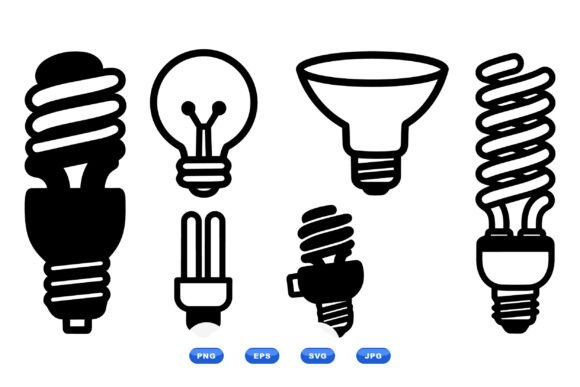
When I scroll through design assets looking for something to elevate a client’s custom apparel line, I am rarely impressed by generic clip art. Most "retro" collections feel dated in the wrong ways—cluttered, overly complex, or visually noisy. That is why Retro Light Bulb Clipart Set caught my eye. It presents a flat design line art collection of seven energy saving light bulb icons in black and white for web icons print labels and product diagrams minimal. This listing comes as an instant download, which appeals to any busy craft business owner who needs assets quickly.
As an experienced designer, my first instinct is not just to look at the image, but to imagine how it translates to thread. Will it stitch cleanly? Will it hold up after washing? Does it have enough personality to justify a premium price point on Etsy? After analyzing the visual structure of these seven icons, I have some practical thoughts on where this design fits best and where it might cause headaches during the digitizing process.
The Visual Personality: Minimalism Meets Nostalgia
The core strength of this collection lies in its restraint. The description highlights that it is a minimal collection, and that is exactly what makes it viable for high-end embroidery. In machine embroidery, complexity is often the enemy of clarity. When you attempt to embroider intricate details, especially in small hoop sizes, the fabric can pucker, and the stitches can merge into an indistinguishable blob.
This set features clean line art. For an embroidery project, this suggests that the design will rely heavily on negative space and clear outlines rather than dense fills. This is a smart approach for custom apparel and personalized gifts. The retro vibe is subtle—it feels like a mid-century modern aesthetic rather than a chaotic 70s pattern. This gives the finished product a sophisticated, boutique feel. It works exceptionally well for brands that want to convey creativity, innovation, or simple living without shouting for attention.
Because the original files are in black and white, you have complete control over the color palette. This is crucial for thread colors. You can adapt the same design to match a brand’s specific green for an eco-friendly message, or keep it monochrome for a sleek, modern look on dark fabrics. This flexibility increases the value of the asset significantly for digital sellers and physical makers alike.
Real-World Application: Where This Design Shines
I have tested similar line-art concepts on various substrates, and I see Retro Light Bulb Clipart Set performing best in specific scenarios. Let’s look at a few real-life applications.
- Tote Bag Designs: A single light bulb icon placed centrally on a canvas tote bag looks professional and artistic. Because the lines are clean, they stand out against the textured weave of cotton canvas. This is a perfect item for an Etsy seller targeting students, artists, or eco-conscious consumers.
- Sweatshirt Embroidery: On the chest of a crewneck sweatshirt, a minimalist light bulb adds a touch of whimsy without overwhelming the garment. The flat design ensures that the embroidery sits relatively flat against the fleece, reducing bulk and increasing comfort.
- Embroidered Patches: These icons are ideal for creating iron-on patches. The distinct shapes allow for clean satin stitch borders, which protect the edges from fraying. A set of seven different bulbs could be sold as a collection of pins or badges, offering high perceived value for low production cost.
- Baby Embroidery: For nursery decor or baby clothes, the soft, rounded lines of the light bulbs are gentle and appealing. A tiny, embroidered light bulb on a onesie or a muslin cloth feels handmade and thoughtful, fitting perfectly into the handmade product market.
- Kitchen Towels and Aprons: If you position the light bulb as a symbol of "bright ideas" or "energy," it fits well in a kitchen context. On a tea towel or apron, the high contrast of black and white line art (once stitched) remains legible even if the fabric gets wrinkled during use.
Technical Considerations and Potential Pitfalls
While the design is promising, no asset is perfect for every situation. As a reviewer, I must highlight where caution is needed. The fact that this is a line art collection means it likely relies on running stitches or thin satin stitches. This requires careful attention to stitch density.
If you plan to use this on textured fabrics like terry cloth or heavy denim, the fine lines might get lost. The fabric texture can interfere with the precision of the needle, causing the lines to wobble. Similarly, on stretchy fabric, such as jersey knits used for t-shirts, you must ensure your stabilizer choice is robust. Without proper backing, the tension required to pull the threads tight enough to make the lines visible can distort the garment.
Another critical factor is hoop size. If you intend to scale these designs down to fit a small cap logo area, you need to inspect the smallest details closely. Line art can become muddy if the individual stitches are too wide relative to the design size. I recommend testing the design on scrap fabric first, specifically checking the corners and curves of the bulb base. If the lines are too thin, they may break or fray after several washes.
Also, consider the background. Since the original concept is black and white, using it on dark fabric requires a contrasting thread color, typically white or cream. On light fabric, black thread provides sharp definition. However, if you try to use this on a colored fabric that matches the thread, the design will disappear entirely. Always check fabric texture and color contrast before committing to a large batch production.
Strategic Advice for Sellers and Makers
For those of you building a small shop product catalog, here is how to maximize the potential of this asset.
- Create Printable Mockups: Use the digital files to create high-quality mockups before you even buy thread. Show the design on a beige tote, a navy hoodie, and a white mug. This helps buyers visualize the finished product and increases conversion rates.
- Focus on Commercial Embroidery Niches: Target industries that value "ideas" and "innovation." Tech startups, creative agencies, and educational institutions are great clients for this type of imagery. Offer these as part of a branding package.
- Check Licensing Carefully: Before selling any commercial embroidery items, verify the license terms. Some digital assets allow personal use only, while others permit commercial sales of physical goods. Ensure you are compliant to avoid legal issues.
- Test Stitch Types: Experiment with converting the lines into a combination of satin stitch for durability and running stitch for detail. A pure running stitch might look sketchy, whereas a satin outline gives a polished, finished look.
Final Verdict
Retro Light Bulb Clipart Set is a solid, versatile addition to any designer’s library. It avoids the trap of being too trendy or too cluttered. Its strength lies in its simplicity, making it adaptable to everything from holiday embroidery projects to year-round digital product previews.
It is not a magic bullet that will fix poor digitizing skills, but it provides a strong foundation for clean, professional work. If you are an apparel decorator looking to add subtle, meaningful graphics to your inventory, or a creative entrepreneur seeking reliable design assets, this set delivers. Just remember to test thoroughly, choose your stabilizers wisely, and let the clean lines speak for themselves. When executed correctly, the result is a handmade product that feels intentional, durable, and stylish.