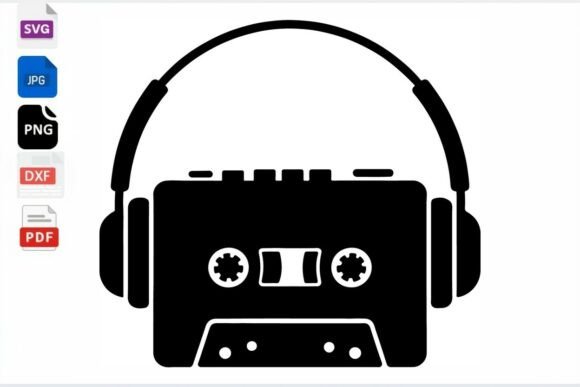
Retro Cassette Player with Headphones
When I am scouting for a new digital asset to add to my library, I am rarely looking for just another clipart image. As a designer who spends hours at the embroidery machine, I am looking for structure, clarity, and a design that translates beautifully from screen to stitch. Recently, I pulled up the Retro Cassette Player with Headphones to see if it had the legs to survive a real-world production run. This is not just a cute graphic; it is a piece of nostalgia with specific technical requirements that any serious embroiderer needs to understand before hitting "start" on their machine.
The First Impression: Mood and Visual Personality
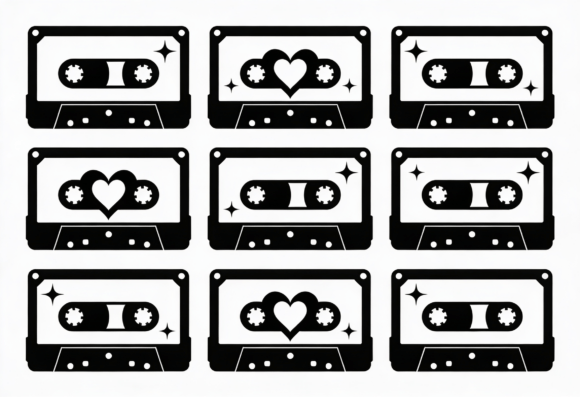
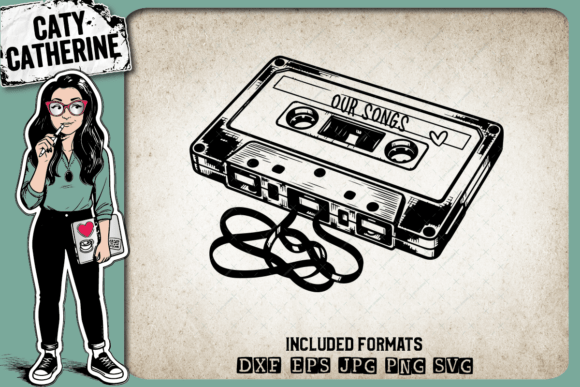
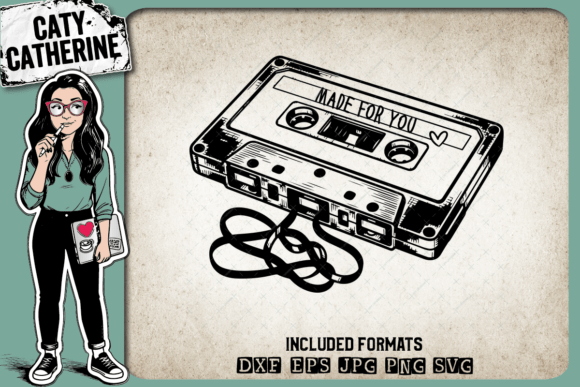
The immediate appeal of the Retro Cassette Player with Headphones lies in its strong silhouette. It taps into a very specific era—the analog age of mixtapes and physical media—which resonates deeply with Gen Z vintage hunters and Millennials who grew up with this technology. Visually, the design feels balanced. The boxy shape of the cassette provides a solid anchor, while the headphones looping out or resting against it add a sense of movement and softness. It creates a mood that is both cozy and creative. It suggests listening, creating, and slowing down, which makes it an excellent thematic fit for coffee shops, music studios, or personal journals.
From a pure aesthetics standpoint, the lines are clean. There is no unnecessary clutter that might turn into a tangled mess of thread. The contrast between the rigid geometry of the player and the organic curves of the headphone band offers a nice visual rhythm. When you look at it as a potential finished product, whether it’s going onto a denim jacket or a canvas tote, it commands attention without shouting. It is understated enough to be wearable but detailed enough to be conversation-starting.
Real-World Application: Where This Design Shines
I have been testing how this design performs across various mediums, and its versatility is one of its strongest selling points. For the craft business owner, this is a goldmine. It works exceptionally well on tote bag design projects. A black canvas tote with a white or metallic gold thread rendition of the cassette player looks incredibly chic and modern. It fits perfectly into the aesthetic of boutique branding where minimalism meets nostalgia.
In the realm of custom apparel, this design transitions smoothly. Imagine a heavyweight cotton sweatshirt with the cassette centered on the chest or placed slightly off-center on the back. The chunky nature of the design holds up well against the texture of fleece or jersey knit. It also translates beautifully to embroidered patch applications. If you are creating detachable patches for backpacks or jean jackets, the distinct outline of the Retro Cassette Player with Headphones ensures that even when cut out, the shape remains legible and impactful.
For those targeting the nursery or baby market, there is a surprising opportunity here. While cassettes may be foreign to newborns, parents love retro themes. A subtle, smaller version of this design on a muslin blanket or a onesie can serve as a unique personalized gift. It stands out among the usual animals and clouds, offering a trendy alternative for hipster parents. Similarly, for holiday embroidery, this theme can be adapted with festive colors—think red and green threads—to create a unique Christmas ornament or stocking stuffer that appeals to music lovers.
Technical Considerations for Stitching Success
However, not every fabric is created equal, and the success of your finished product will depend heavily on your preparation. The Retro Cassette Player with Headphones contains areas of varying density. The body of the cassette likely uses a fill stitch to create a solid block of color, while the details like the tape reels and buttons require precision. This means you must pay close attention to stitch density. If the density is too high for the fabric weight, you risk puckering, especially on lighter materials like t-shirts or thin cotton blends.
I strongly advise using a proper stabilizer appropriate for your fabric. For stretchy knits, a cut-away stabilizer is non-negotiable to prevent distortion over time. For woven fabrics like linen or canvas, a tear-away might suffice for simpler runs, but a wash-away backing can help maintain crisp edges on complex designs. Always test the design on scrap fabric first. This step cannot be overstated. It allows you to check thread colors and ensure that the contrast is sufficient. On dark fabric, you may need to use a underlay stitch or a lighter base thread to make the design pop.
Pitfalls to Avoid: Where Caution is Needed
While this design is robust, it is not indestructible. There are specific scenarios where you should proceed with caution. Small hoop sizes can be tricky. If you attempt to digitize or embroider this design in a hoop smaller than 4x4 inches, the fine details—such as the text on the cassette label or the tiny screws—may become indistinguishable blobs of thread. In such cases, relying on satin stitch alone for outlines might result in a muddy edge. It is better to simplify the design or increase the hoop size to preserve clarity.
Textured fabrics present another challenge. Bouclé wool, heavy corduroy, or rough burlap can swallow up the finer stitches, causing the design to lose its definition. The embroidery file relies on smooth surfaces to render the clean lines that give it its retro charm. Additionally, curved surfaces like baseball caps can distort the rectangular shape of the cassette. If you are working on headwear, consider placing the design on a flat panel or adjusting the digitizing to compensate for the curve.
Another area requiring careful thought is washing durability. If you are producing items intended for frequent laundering, such as kitchen towels or aprons, ensure that the machine embroidery design is anchored securely. Loose ends or insufficient tack-down stitches can lead to fraying over time, which detracts from the professionalism of the item. Also, be mindful of the colorfastness of your threads. Metallic threads, often used to enhance the retro vibe, can be more brittle and prone to breaking if the tension is not adjusted correctly.
Final Verdict: Is It Worth the Investment?
Ultimately, the Retro Cassette Player with Headphones is a high-value addition to any designer’s toolkit. It bridges the gap between nostalgia and modern craft trends, making it relevant to a wide audience. For the Etsy seller or small shop product creator, it offers a unique angle that differentiates your offerings from generic floral or motivational quote designs. It speaks to identity and hobby, which drives emotional engagement with buyers.
Before purchasing or downloading, remember to verify the file formats. The description mentions SVG and EPS, which are excellent for cutting and vector editing, but always confirm if specific embroidery formats (like PES, DST, or JEF) are included if you intend to stitch directly. Check the licensing terms carefully, especially if you plan to sell the commercial embroidery products. Some assets allow unlimited commercial use, while others restrict the number of items you can produce.
In conclusion, this design is more than just a pretty picture. It is a functional, stylish, and emotionally resonant piece of art that rewards careful execution. By paying attention to fabric choice, stabilizer support, and stitch quality, you can transform this digital asset into a tangible masterpiece that customers will cherish. Whether you are making a single gift for a friend or building a line of design assets for your brand, the Retro Cassette Player with Headphones delivers on both aesthetic and practical fronts.